


When you look out at your yard, you want to see a lawn that feels thick, clean, and vibrant — not stressed, thinning, or chewed up by pests you can’t even spot. This year, that peace of mind matters even more. Ohio’s invasive pest surge is growing, and lawn care in Westlake and Bay Village, OH, is shifting to match it.
Our team is already seeing the impact across Northeast Ohio, and the homeowners who stay ahead of it are the ones enjoying green, comfortable outdoor spaces all season long.
Related: Healthy Lawn, professional landscaping, landscape maintenance, lawn care
Why Invasive Pests Are Becoming a Bigger Lawn Problem in Northeast Ohio
Westlake and Bay Village sit in a region that’s especially vulnerable to pest pressure because of moisture, dense landscaping, and changing seasonal patterns.
When winters are mild or spring warms up early, many insects survive in larger numbers. Add in extended humid stretches near Lake Erie, and conditions become ideal for pests that damage turf, weaken roots, and invite disease.
The challenge with invasive pests is that they often spread fast and behave differently than native insects. They can multiply quickly, stress lawns earlier in the season, and create damage that looks like drought or fungus until it’s already widespread.
That’s why pest-aware lawn care isn’t a “nice to have” anymore — it’s part of what it takes to keep your turf thick and resilient.
The Invasive Pests Your Lawn and Landscape Are Most Likely to Feel This Year
Not every pest shows up the same way, but these are some of the biggest concerns for lawns and landscaped properties in this area right now.
Grubs (including Japanese beetle larvae)
Grubs are one of the most common reasons healthy lawns suddenly start thinning or peeling back like carpet. They feed on roots, which prevents grass from pulling moisture and nutrients from the soil.
In late summer and early fall, grub pressure often peaks, but the foundation for that damage starts earlier. When adult beetles lay eggs in turf, the next generation develops right under the surface.
If you’ve ever noticed areas of turf lifting easily, irregular brown patches, or increased animal digging, your lawn may already be part of the cycle. Our team monitors timing and turf conditions so grub control can be proactive instead of reactive.
Chinch bugs and surface feeders
These pests feed by piercing grass blades and sucking out moisture, which can cause patchy, drought-like symptoms even when your lawn is receiving consistent care.
They’re more common during hot stretches, especially in sunny areas and along pavement where turf is already stressed.
Invasive ants and soil disruption
Certain ant activity can become more than a nuisance when it disrupts soil structure and weakens turf. Mounds can also interfere with mowing and create uneven lawn areas that feel rough underfoot.
Spotted lanternfly pressure in surrounding landscapes
While spotted lanternflies are best known for damaging trees and ornamentals, the real concern for homeowners is that landscapes under stress become more vulnerable overall.
When shrubs, trees, and perennials are weakened by sap-feeding insects, your entire landscape ecosystem shifts — which affects shade patterns, moisture retention, and even weed pressure. Your lawn doesn’t exist in isolation, and invasive pests have a way of creating chain reactions.
Related: The Benefits of Bundling Your Landscape Maintenance Services
What You Can Expect When You Hire Our Team to Protect Your Lawn
The biggest difference with professional pest-focused lawn care is that your lawn is treated as a living system, not a checklist. Our specialists watch for what’s happening beneath the surface and plan treatments around pest life cycles — because timing is what makes pest control truly effective.
Here’s what the experience looks like when you work with our team:
1. A property-specific evaluation
We look at the way your lawn is growing, where turf is thinning, which areas hold moisture, and which areas dry out quickly. Pest pressure is often tied to these patterns, and we use them to guide a smarter plan.
2. Targeted seasonal applications
Invasive pests don’t wait for a schedule, so we don’t rely on generic timing. Our applications are built around seasonal conditions and pest behavior — including preventative treatment windows that protect turf before damage becomes visible.
3. Monitoring and adjustments throughout the year
A pest surge is not a one-and-done problem. Our team keeps an eye on changes across the season and adjusts treatments based on weather shifts, turf stress, and activity levels.
4. Strengthening the lawn to resist pests naturally
The healthiest lawns don’t just survive pest pressure — they bounce back quickly. That means building thicker turf density, stronger root systems, and more balanced soil conditions so pests have less opportunity to take hold.
What a Pest-Free Lawn Looks Like When It’s Done Right
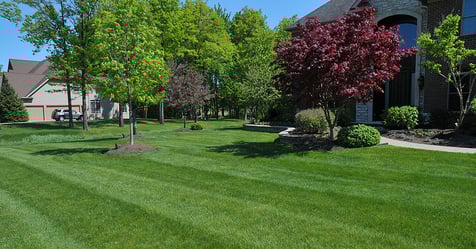
Picture stepping outside and seeing turf that looks thick from every angle, with no patchy zones, no mystery browning, and no areas that feel weak or thin underfoot.
Your landscape beds stay crisp, your patio stays clean, and your lawn becomes the kind of space that feels inviting every time you look out the window — because it’s protected, maintained, and managed by specialists who understand what invasive pests are doing in Northeast Ohio right now.
Learn more about our options for year-round pest control and lawn maintenance by scheduling a consultation today.
Related: Patching Grass: 7 Simple Steps to Repair Your Lawn